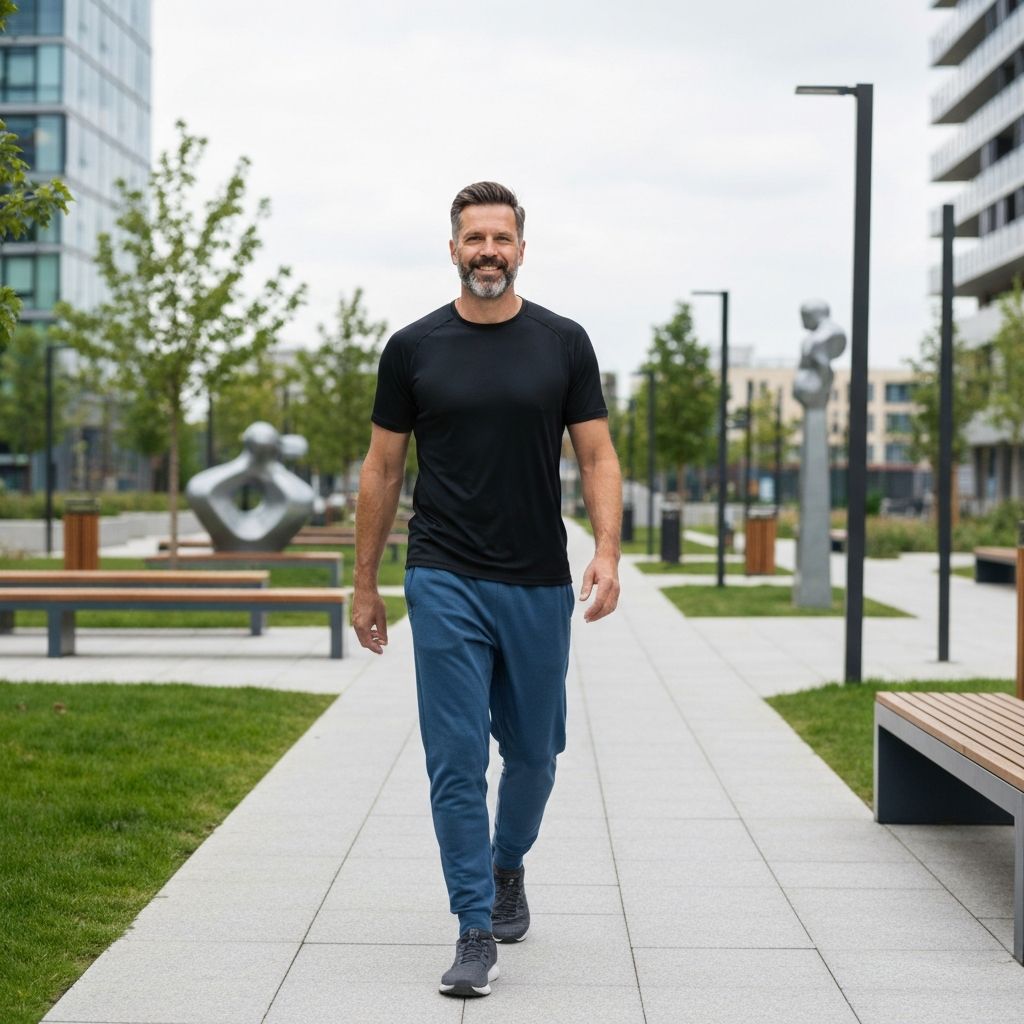
Introduction to Active Lifestyle and Male Wellness
An active lifestyle forms the foundation of male wellness. When men prioritize daily movement, balanced nutrition, and mental clarity, they create a sustainable framework for long-term vitality. This approach emphasizes gradual improvements rather than dramatic changes.
Understanding your body's natural rhythms and needs allows you to make informed choices about supplements, exercise, and rest. The journey toward enhanced wellness begins with education and continues through consistent, manageable habits that fit your individual lifestyle.
Many men find that combining regular physical activity with mindful nutrition choices creates a positive cycle of energy and motivation. This holistic approach considers not just physical aspects but also mental focus and emotional balance.

The Role of Natural Supplements for Men's Comfort
Natural supplements serve as complementary tools in a broader wellness strategy. They are not replacements for healthy eating or active living, but rather additions that may help fill nutritional gaps in modern diets.
Many men explore natural supplement options to support their daily energy levels, physical comfort, and general sense of wellbeing. These products typically contain vitamins, minerals, and plant-based compounds that have been used traditionally for male health support.
When considering supplements, it's important to research ingredients, understand their traditional uses, and recognize that individual responses vary. What works well for one person may differ for another, making personal experimentation and observation essential.
Consulting with nutrition professionals or wellness consultants can provide valuable guidance in selecting supplements that align with your specific lifestyle needs and goals.

Vitamins and Nutrients for Daily Energy and Endurance
Certain vitamins and minerals play key roles in energy metabolism and physical endurance. B vitamins, for instance, are involved in converting food into usable energy, while vitamin D supports bone health and immune function.
Zinc and magnesium are minerals that many men find beneficial for supporting overall wellness and recovery after physical activity. These nutrients occur naturally in foods but can also be obtained through quality supplement formulations.
Omega-3 fatty acids, typically sourced from fish oil or plant-based alternatives, support cardiovascular wellness and may contribute to maintaining healthy inflammation responses throughout the body.
Antioxidants like vitamin C, vitamin E, and selenium help protect cells from oxidative stress, which accumulates through normal daily activities and environmental exposure.

Daily Routines for Inner Confidence and Vitality
Establishing consistent daily routines creates structure that supports both physical and mental wellness. Morning rituals that include movement, hydration, and nutritious breakfast set a positive tone for the entire day.
Many successful men incorporate brief periods of planning or reflection into their mornings, allowing them to approach the day with clarity and purpose. This mental preparation complements physical readiness.
Evening routines focused on winding down, limiting screen time, and preparing for quality sleep ensure proper recovery. Sleep is when the body repairs itself and consolidates memories, making it essential for sustained vitality.
Consistency in these patterns trains your body's internal clock, leading to improved energy levels, better focus, and a greater sense of control over your daily experience.

Stress Management Through Breathing Exercises
Controlled breathing techniques offer immediate tools for managing stress responses. When you feel tension building, taking several deep, slow breaths activates your body's relaxation response, counteracting stress hormones.
Box breathing, which involves inhaling for four counts, holding for four, exhaling for four, and holding again for four, is a simple technique used by high-performers to maintain composure under pressure.
Diaphragmatic breathing, where you breathe deeply into your belly rather than shallowly into your chest, promotes better oxygen exchange and can be practiced anywhere throughout your day.
Regular practice of these techniques, even just five minutes daily, builds resilience and gives you accessible tools for managing challenging moments effectively.

Quick Relaxation Techniques for Focus and Calm
Brief relaxation breaks throughout the day prevent stress accumulation and maintain mental clarity. Progressive muscle relaxation, where you systematically tense and release muscle groups, takes only minutes but provides significant tension relief.
Visualization exercises, imagining peaceful scenes or successful outcomes, engage your mind positively and create mental space away from stressors. These mental breaks refresh your cognitive resources.
Physical micro-breaks, such as stretching, walking briefly, or changing your environment, interrupt patterns of tension and restore focus. Even standing and moving for two minutes each hour makes a measurable difference.
Combining these quick techniques with proper hydration and healthy snacking throughout the day maintains steady energy and prevents the afternoon slumps many men experience.

Healthy Habits for Physical and Mental Balance
Balance emerges from integrating multiple healthy habits rather than perfecting any single behavior. Regular physical activity, adequate sleep, nutritious eating, and stress management work synergistically to support overall wellness.
Social connections and meaningful relationships contribute significantly to male wellbeing. Maintaining friendships, spending quality time with family, and engaging in community activities provide emotional support and life satisfaction.
Learning new skills and pursuing hobbies keep the mind engaged and provide healthy outlets for stress. Whether it's learning an instrument, practicing a sport, or developing a craft, these activities enhance life quality beyond basic wellness metrics.
Regular self-assessment of your energy levels, mood, and physical comfort helps you identify what's working and what needs adjustment in your wellness routine.

Nutrition Tips for Supporting Male Health
Whole food nutrition provides the foundation for male wellness. Prioritizing lean proteins, colorful vegetables, whole grains, and healthy fats ensures your body receives diverse nutrients needed for optimal function.
Protein intake supports muscle maintenance and repair, particularly important for active men. Sources like fish, poultry, legumes, and nuts provide protein along with other beneficial compounds.
Healthy fats from sources like olive oil, avocados, and fatty fish support hormone production and cellular health. These fats are essential components of a balanced male diet.
Limiting processed foods, excess sugar, and alcohol while increasing water intake creates conditions for better energy, clearer thinking, and improved physical comfort throughout the day.
Meal timing and portion control matter as much as food quality. Eating regular, balanced meals prevents energy crashes and supports stable mood and focus.

Exploring Natural Supplement Options
After understanding the fundamentals of healthy living, some men choose to explore natural supplement options as additional support for their wellness goals. These products should be viewed as complements to, not replacements for, healthy lifestyle choices.
Popular categories include men's vitamin complexes that combine essential nutrients, energy and endurance support formulations with plant-based ingredients, and targeted wellness blends designed with male physiology in mind.
Quality matters significantly in supplement selection. Look for products from reputable sources that provide transparent ingredient lists and follow good manufacturing practices.
Starting with foundational supplements like a quality multivitamin, omega-3s, and vitamin D can address common nutritional gaps before exploring more specialized formulations.
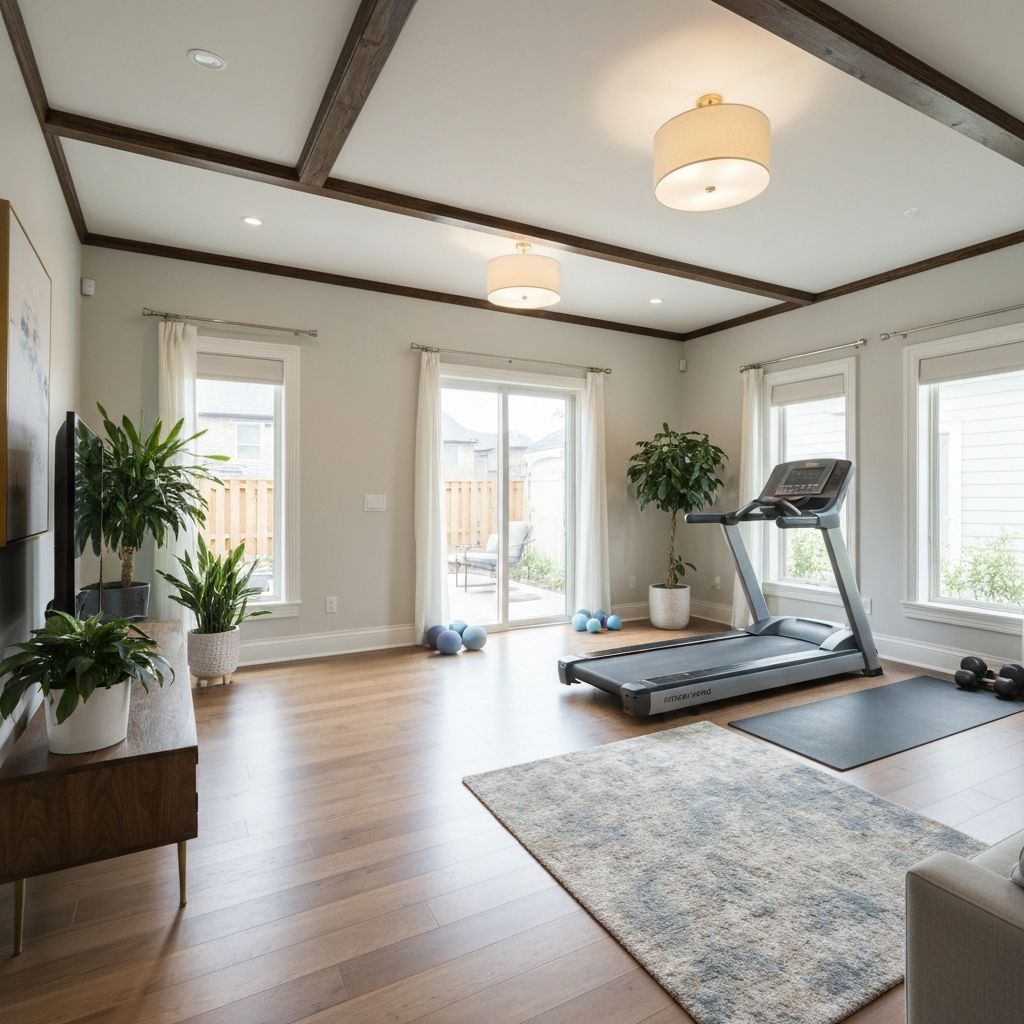
Creating a Wellness-Friendly Home Environment
Your home environment significantly influences your wellness habits. Creating spaces that encourage healthy behaviors makes those behaviors easier to maintain consistently.
A dedicated area for exercise, even if minimal, removes barriers to daily movement. Keeping workout equipment visible and accessible increases the likelihood of regular use.
Kitchen organization that prioritizes healthy foods and makes nutritious choices convenient supports better eating patterns. When healthy options are visible and ready, they become the default choice.
Bedroom optimization for quality sleep includes controlling light, temperature, and noise. Removing electronic devices and creating a calm atmosphere signals to your body that this space is for rest and recovery.
Mindfulness and Focus Exercises

Building Present-Moment Awareness
Mindfulness practice trains your attention to remain in the present rather than dwelling on past events or worrying about future possibilities. This skill reduces anxiety and enhances your ability to respond thoughtfully rather than react impulsively.
Simple mindfulness exercises include focusing on physical sensations, observing thoughts without judgment, and bringing full attention to routine activities like eating or walking.
Regular mindfulness practice has been associated with improved emotional regulation, better stress management, and enhanced cognitive performance in various studies.

Concentration and Mental Clarity
Focus exercises strengthen your ability to direct and sustain attention on chosen tasks. In our distraction-filled environment, this skill becomes increasingly valuable for productivity and wellbeing.
Techniques include setting specific focus periods with timer support, practicing single-tasking rather than multitasking, and creating environmental conditions that minimize interruptions.
Mental clarity often improves through physical wellness practices as well. Exercise, proper hydration, and adequate sleep all contribute to sharper thinking and better concentration throughout the day.

Supporting Energy and Endurance Naturally
Natural approaches to energy and endurance focus on optimizing your body's inherent capabilities rather than relying on stimulants for temporary boosts. This sustainable strategy builds genuine vitality over time.
Consistent sleep schedules regulate energy patterns naturally. Going to bed and waking at similar times daily synchronizes your internal rhythms with your lifestyle demands.
Strategic meal timing provides steady fuel throughout the day. Eating balanced meals every 3-4 hours maintains stable blood sugar levels, preventing energy crashes and maintaining mental sharpness.
Natural compounds found in green tea, adaptogens like rhodiola and ashwagandha, and B-vitamin complexes are often explored by men seeking gentle, sustainable energy support without harsh stimulants.

Wellness Advice for Desk Workers
Sedentary work presents specific challenges for male wellness. Prolonged sitting affects circulation, posture, and energy levels, making intentional movement breaks essential throughout the workday.
Ergonomic workspace setup prevents unnecessary strain. Monitor positioning, chair height, and keyboard placement should support neutral postures that reduce physical stress during extended work periods.
The 20-20-20 rule for eye health recommends looking at something 20 feet away for 20 seconds every 20 minutes to reduce digital eye strain. This simple habit protects vision during screen-intensive work.
Standing desk options, walking meetings, and active lunch breaks integrate movement into sedentary work patterns. Even small increases in daily movement accumulate significant health benefits over time.

Tips for Balancing Activity and Rest
Finding the right balance between activity and rest is highly individual and changes based on life circumstances, stress levels, and physical demands. Listening to your body's signals helps identify optimal balance points.
Active recovery days, featuring light movement like walking or gentle stretching, promote recovery better than complete inactivity. This approach maintains momentum while allowing physical restoration.
Periodization in exercise routines alternates between higher intensity phases and recovery phases, preventing burnout and supporting long-term progress. This principle applies to mental work as well.
Rest quality matters as much as quantity. Creating true rest periods free from work concerns, digital devices, and mental stimulation allows genuine recovery and restoration of energy reserves.

Responsible Approach to Supplement Use
Responsible supplement use begins with education and realistic expectations. Supplements support wellness efforts but don't replace fundamental healthy behaviors like proper nutrition, exercise, and sleep.
Reading labels carefully, understanding dosage recommendations, and recognizing that individual responses vary helps men make informed choices about their supplement routines.
Starting with one or two products rather than multiple supplements simultaneously allows you to observe how specific formulations affect your personal experience. This methodical approach provides clearer feedback.
Discussing supplement use with healthcare providers or nutrition consultants ensures your choices align with your overall health context and any other considerations specific to your situation.
Quality supplements from reputable sources undergo testing and follow manufacturing standards that ensure product purity and accurate labeling. Researching brands and reading independent reviews supports better selection.

Insights from Nutrition and Wellness Consultants
Wellness consultants specializing in men's health emphasize the importance of individualized approaches. What works excellently for one man may need adjustment for another based on lifestyle, preferences, and personal responses.
Many consultants recommend starting with foundational lifestyle improvements before adding supplements or complex protocols. Building healthy eating and activity patterns creates the groundwork for more advanced optimization.
Long-term consistency matters more than short-term intensity. Sustainable changes that fit naturally into your life produce better outcomes than extreme measures that can't be maintained.
Professional guidance can help navigate the overwhelming amount of wellness information available, filtering evidence-based approaches from marketing hype and identifying strategies most relevant to your goals.